Pilot Programmes & Case Studies
Collaborative pilot projects designed to test and validate real-world applications of autonomous aerial logistics, healthcare delivery, infrastructure inspection, and emergency response.
Pilot Programme Overview
AerialConnect develops collaborative pilot projects with industry partners to test, validate, and refine autonomous aerial solutions in real-world environments. Each programme is designed to generate operational data, demonstrate value, and establish a framework for scaled deployment.

Logistics Pilot Programme
Drone Transport of High-Priority Items Between Facilities
A collaborative pilot programme designed to test the viability of autonomous drone transport for high-priority logistics items between facilities. This project demonstrates how BVLOS drone operations can reduce delivery times and improve supply chain efficiency.
Programme Objectives
Expected KPIs & Outcomes
Expected Outcomes
- Demonstrated significant reduction in point-to-point delivery times
- Validated safe BVLOS operations under controlled conditions
- Generated operational data for route optimisation and scaling
- Established framework for expanded deployment
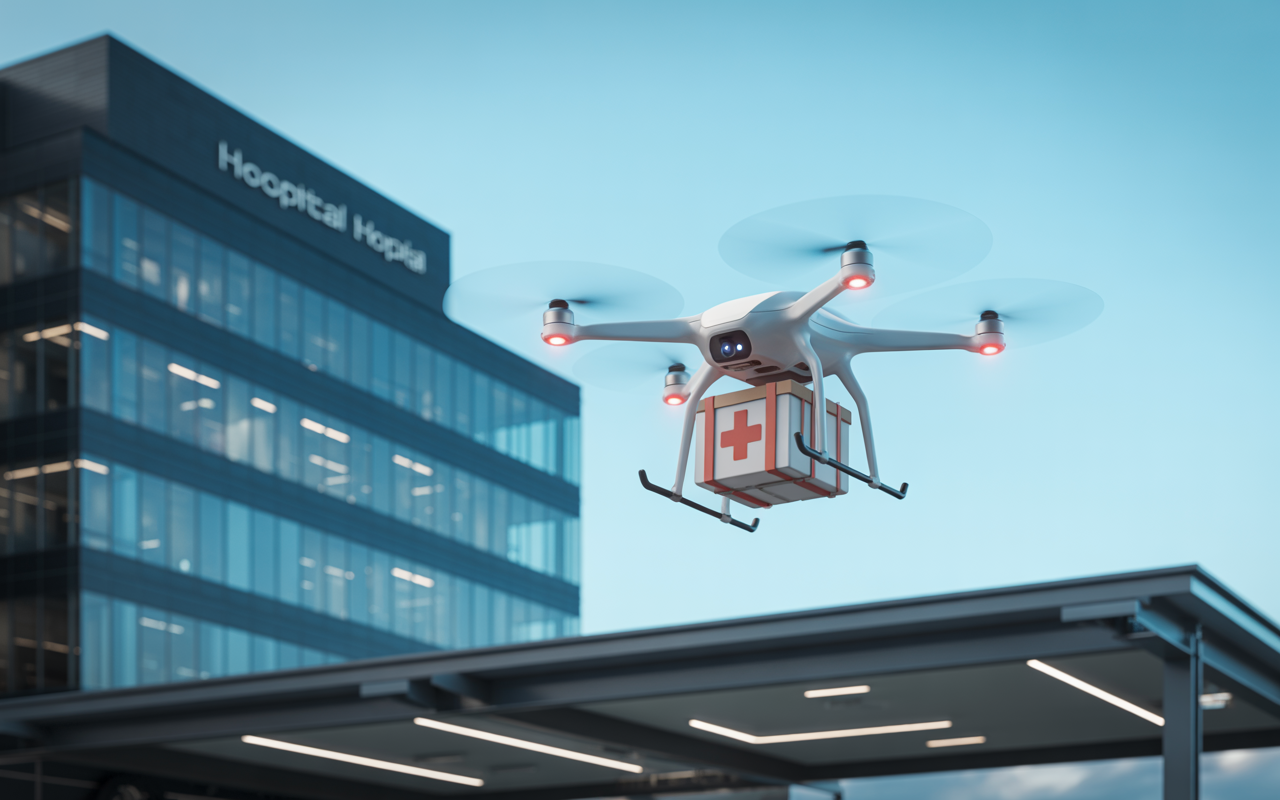
Healthcare Delivery Pilot Programme
Rapid Transport of Medical Supplies and Laboratory Samples Between Healthcare Facilities
A pilot programme exploring the use of autonomous drones for time-critical medical logistics. This project focuses on the rapid delivery of medical supplies, laboratory samples, and critical equipment between NHS facilities and healthcare sites, reducing delays and improving patient outcomes.
Programme Objectives
Expected KPIs & Outcomes
Expected Outcomes
- Demonstrated rapid, reliable transport of medical supplies between facilities
- Validated temperature-controlled cargo systems for sensitive materials
- Reduced diagnostic turnaround times by eliminating ground transport delays
- Established operational framework for NHS integration and scaling
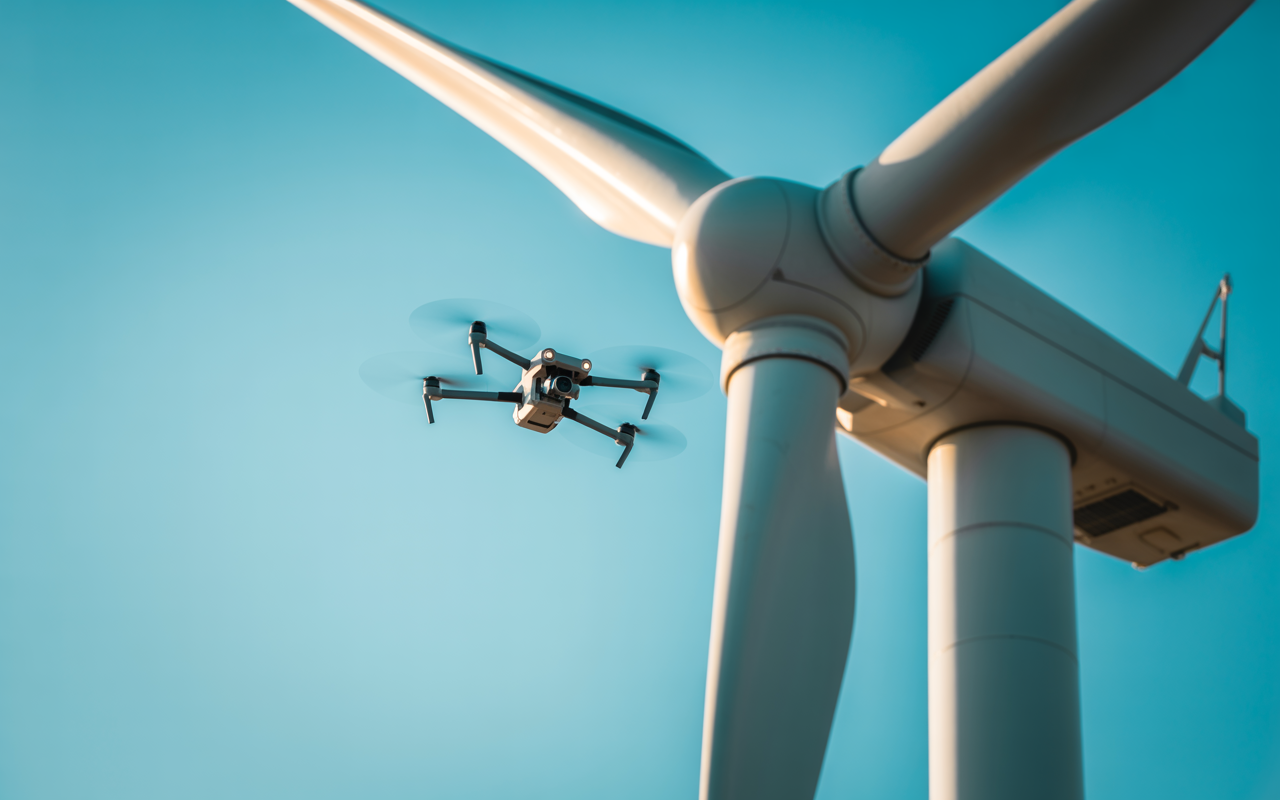
Infrastructure Inspection Pilot Programme
Aerial Inspection of Critical Infrastructure Assets Using Advanced Drone Systems
A pilot programme testing the use of drone-based inspection services for critical infrastructure assets including bridges, power lines, and wind turbines. This project demonstrates how aerial inspection can improve safety, reduce costs, and deliver higher-quality data compared to traditional manual inspection methods.
Programme Objectives
Expected KPIs & Outcomes
Expected Outcomes
- Demonstrated significant cost and time savings over manual inspection
- Achieved comprehensive high-resolution imaging across asset types
- Validated AI-powered defect detection with automated reporting
- Eliminated working-at-height risk for inspection personnel
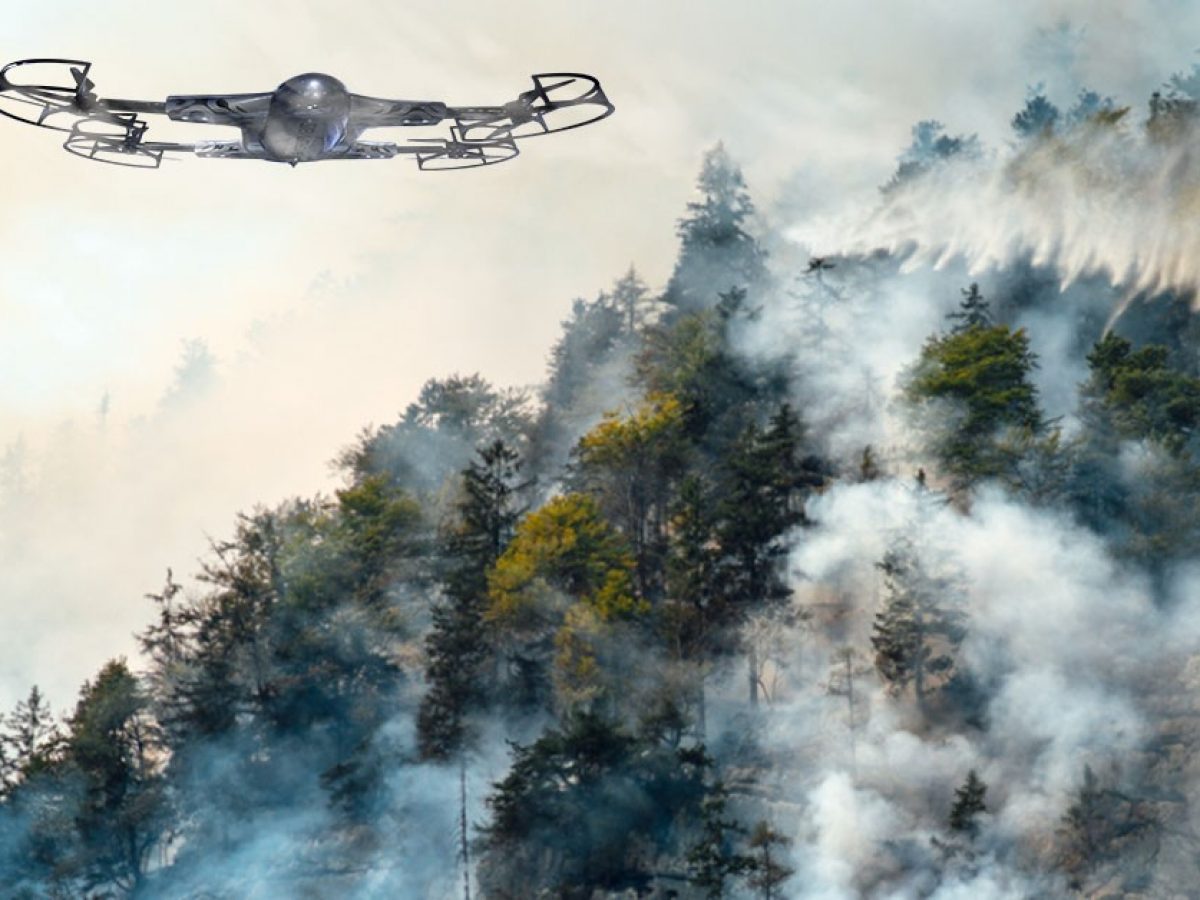
Emergency Response Pilot Programme
Drone Deployment for Situational Awareness and Critical Supply Delivery
A pilot concept exploring the use of rapid-response drone operations to support emergency services. This programme focuses on providing real-time situational awareness and delivering critical supplies to high-risk or hard-to-reach environments during emergency scenarios.
Programme Objectives
Expected KPIs & Outcomes
Expected Outcomes
- Demonstrated rapid aerial deployment capability for emergency scenarios
- Validated real-time situational awareness data relay to first responders
- Confirmed viability of critical supply delivery to isolated areas
- Developed integration protocols with existing emergency response frameworks
Interested in a Pilot Programme?
We welcome collaboration with organisations interested in exploring how autonomous aerial logistics can transform their operations.
Request a Pilot Programme